
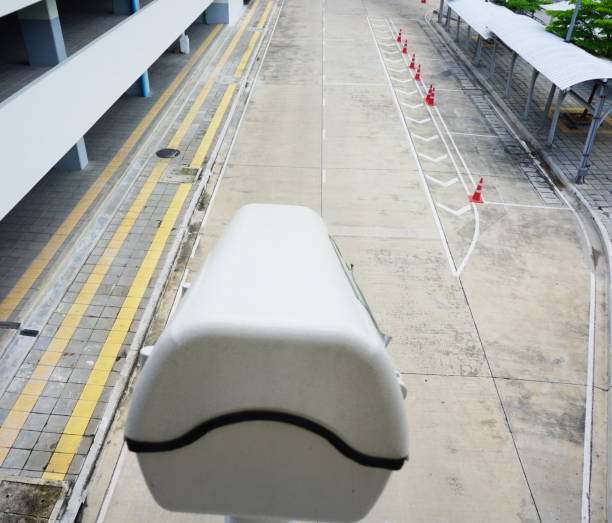
Shopping centres face increasing pressure to maintain safe, well-managed environments while handling high visitor volumes, vehicle traffic, and diverse tenant operations. While CCTV remains a core component of surveillance strategies, relying on it alone limits a centre’s ability to respond proactively to risks. We enhance security outcomes significantly when we combine traditional video monitoring with ANPR camera system installations Perth, giving shopping centres a broader, more efficient, and more intelligent security capability.
Limitations of CCTV in Modern Retail Environments
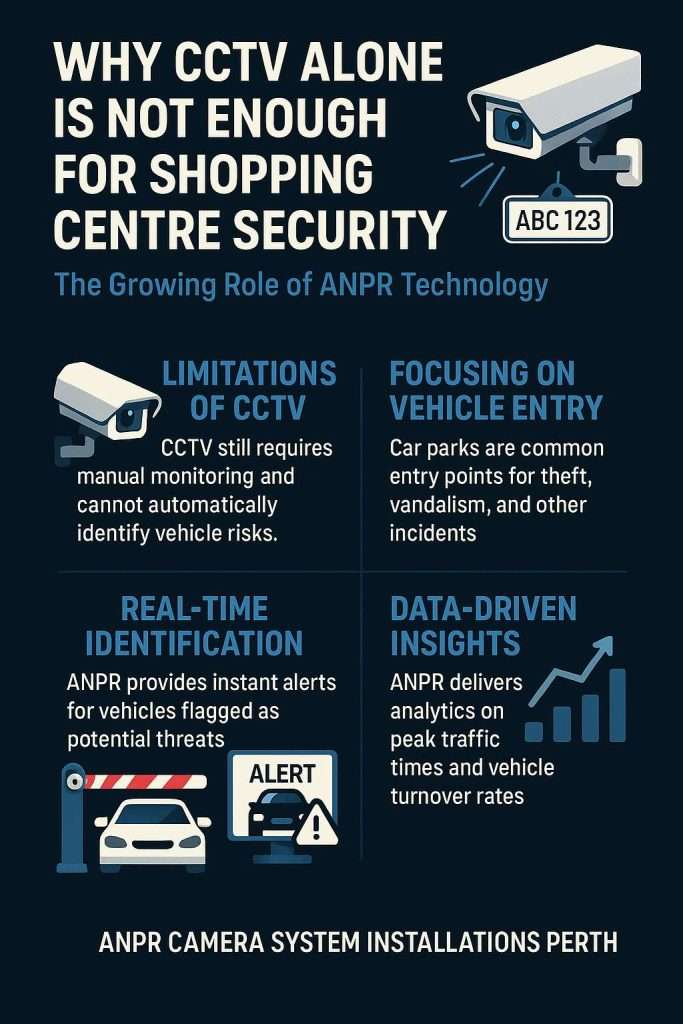
CCTV provides visual monitoring, incident recording, and behavioural insights. However, it has clear constraints when used on its own. Footage still requires manual review, operators must identify threats in real time, and cameras cannot interpret vehicle data without additional systems. These limitations create gaps in response times, vehicle tracking, and actionable intelligence, particularly in high-traffic retail car parks where most incidents begin.
Why Vehicle Intelligence Matters for Shopping Centres
Car parks are often the entry point for theft, vandalism, unauthorised dumping, and vehicle-related incidents. Traditional CCTV can record these events but cannot automatically recognise vehicles linked to risks. By integrating vehicle recognition into the security framework, shopping centres gain the ability to manage high volumes of cars more effectively, detect suspicious patterns, and automate enforcement.
Strengthening Access Control & Car Park Management
We use ANPR camera system Perth technology to create automated access control processes for restricted zones, staff parking, and loading docks. Unlike manual checks, ANPR ensures accurate, non-intrusive verification for every vehicle. This automation helps centres eliminate bottlenecks, reduce operational labour, and ensure only authorised vehicles enter protected areas.
Enhancing Incident Response Through Real-Time Identification
ANPR provides real-time alerts for vehicles associated with trespassing, unpaid fines, banned individuals, or previous security incidents. Instead of waiting for operators to recognise registration plates manually, the system flags risks instantly. This capability significantly strengthens prevention and gives security teams a head start in responding to emerging threats.
Supporting Loss Prevention & Anti-Theft Strategies
Coordinating vehicle intelligence with retail loss-prevention teams adds another layer of capability. ANPR helps identify repeat offenders, track suspicious movements across multiple visits, and correlate car park activity with in-centre incidents. This supports stronger evidence gathering and improves collaboration with law enforcement when required.
Data-Driven Insights for Operational Efficiency
Beyond security, ANPR provides valuable analytics for centre managers. This includes peak traffic times, dwell times, and vehicle turnover rates. These insights help centres optimise parking allocation, streamline traffic flow, and support customer experience initiatives. CCTV alone cannot deliver this level of operational intelligence.
Integrating CCTV & ANPR for Full Coverage
The most effective security strategy combines both systems into one integrated ecosystem. CCTV offers comprehensive visual monitoring, while ANPR delivers precise vehicle data. Together, they create a solution that covers people, vehicles, and behaviour, providing a full picture of developing risks both inside and outside the centre.
Conclusion
Shopping centres in Perth need more than just surveillance; they require proactive, intelligent systems that support rapid decision-making and efficient operations. By integrating CCTV with ANPR technology, centres gain a significant advantage in incident prevention, evidence management, traffic control, and customer safety. The shift from reactive monitoring to data-driven security positions ANPR as an essential component for modern retail environments—ensuring shopping centres remain secure, compliant, and operationally efficient in an increasingly complex landscape.