
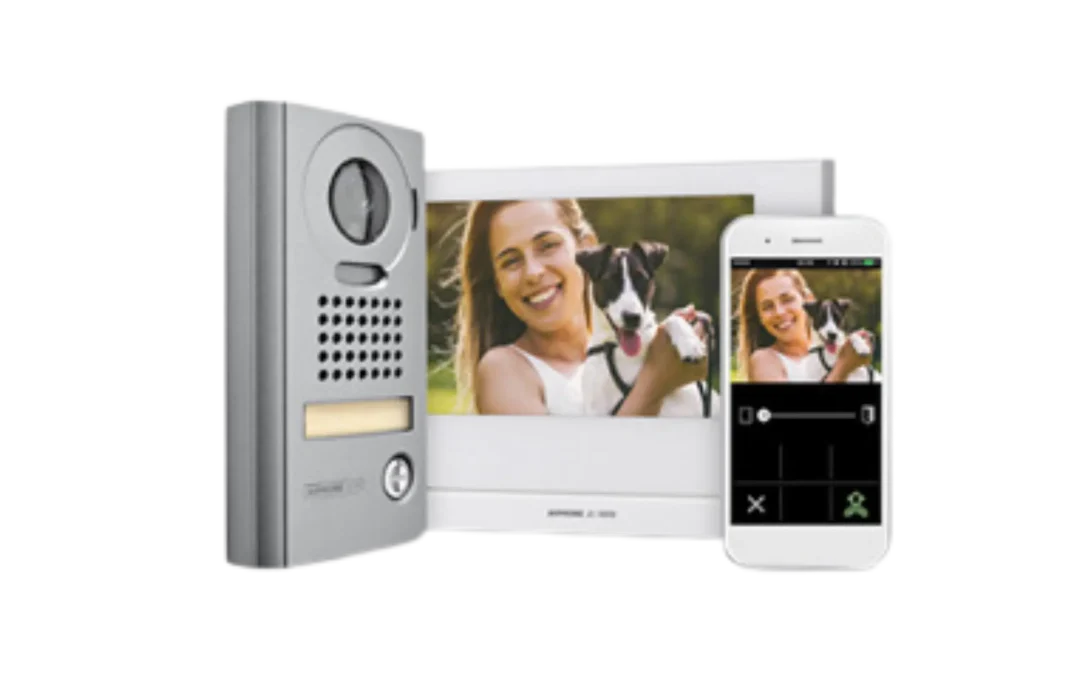
The integration of security systems with home automation devices such as lighting, thermostats, and locks is becoming increasingly prevalent. This connectivity enhances security, convenience, and energy efficiency, making smart home solutions more effective. However, challenges exist in implementing these integrated systems. This article examines the benefits and challenges of integrating security systems with home automation in Perth.
Benefits of Integration
Enhanced Security
Integrating security systems with home automation strengthens overall security by creating a synchronised environment. Smart locks can automatically secure all entry points when the system is armed. Motion sensors can activate lighting in response to movement, deterring intruders. Security cameras equipped with facial recognition and motion detection provide real-time alerts and live footage to homeowners, allowing immediate responses to potential threats. Automated blinds can enhance privacy by closing at scheduled times or when the system is armed.
Convenience and Control
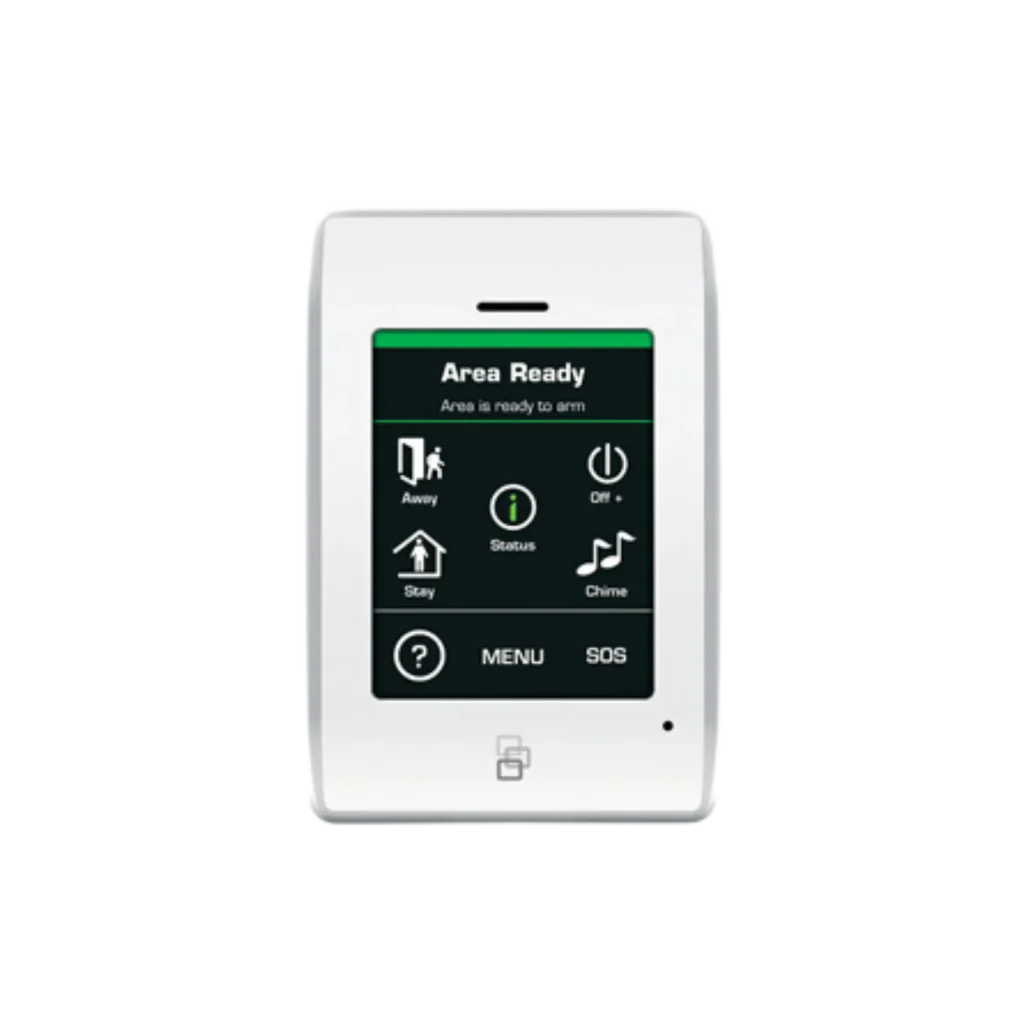
Home automation simplifies security management by enabling homeowners to control multiple devices through a single interface, such as a smartphone app or voice assistant. Users can remotely arm or disarm their security system, adjust lighting, and control door locks. Automated routines, such as a “Leaving Home” mode that secures doors and adjusts temperature settings, improve efficiency and ease of use.
Energy Efficiency
Integrating security systems with automation enhances energy efficiency. Smart thermostats adjust heating and cooling based on occupancy, reducing energy consumption. Security sensors can detect when a property is vacant and switch devices to energy-saving modes. Smart lighting systems further optimise energy use by responding to natural light levels and movement detection, ensuring that lights are only activated when necessary.
Customisation and Scalability
Integrated systems offer customisation and scalability, allowing homeowners to tailor automation settings to their preferences. A “Goodnight” routine can automatically lock doors, turn off lights, and adjust the thermostat. As technology advances, additional features such as AI-driven security cameras and environmental sensors can be seamlessly integrated into existing systems.
Challenges of Integration
Compatibility Issues
Ensuring compatibility between security systems and home automation devices can be complex. Different communication protocols, such as Zigbee, Z-Wave, and Wi-Fi, may require hubs or bridges for seamless operation. Compatibility issues may also arise with various home automation platforms, necessitating thorough research before system integration.
Security Concerns
While integration enhances security, it also introduces potential cyber threats. Connected devices may be vulnerable to hacking if not properly secured. Implementing strong encryption, regularly updating software, and using unique passwords mitigate these risks. Reviewing security settings and app permissions also enhances system protection.
Complexity and Learning Curve
The configuration of integrated security and automation systems can be complex. Users unfamiliar with smart technology may find the setup and management challenging. Providing clear instructions, user-friendly interfaces, and professional installation services can improve accessibility. Ongoing support and training can further assist homeowners in optimising their systems.
Cost
The initial cost of integrating security systems with home automation can be significant. Expenses include high-quality smart devices, professional installation, and potential subscription fees for advanced features. Homeowners should evaluate their budgets and prioritise essential features to create a cost-effective system while considering long-term savings from energy efficiency and enhanced security.
Reliability
System reliability depends on a stable internet connection and power supply. Connectivity disruptions can affect automated functions and remote monitoring. Implementing backup solutions, such as battery backups and redundant communication methods, ensures continued operation. High-quality networking equipment and contingency plans for power outages further enhance system reliability.
Conclusion
Integrating security systems with home automation provides benefits such as improved security, convenience, energy efficiency, and scalability. However, challenges related to compatibility, cybersecurity, complexity, cost, and reliability must be addressed. Security systems installation in Perth should be approached with careful planning to ensure seamless functionality. Rest-a-Sured Security delivers tailored security solutions, offering expert installation and monitoring services to meet residential and commercial security requirements. For reliable security systems in Perth, Rest-a-Sured Security provides advanced technology and professional support to enhance safety and peace of mind.