
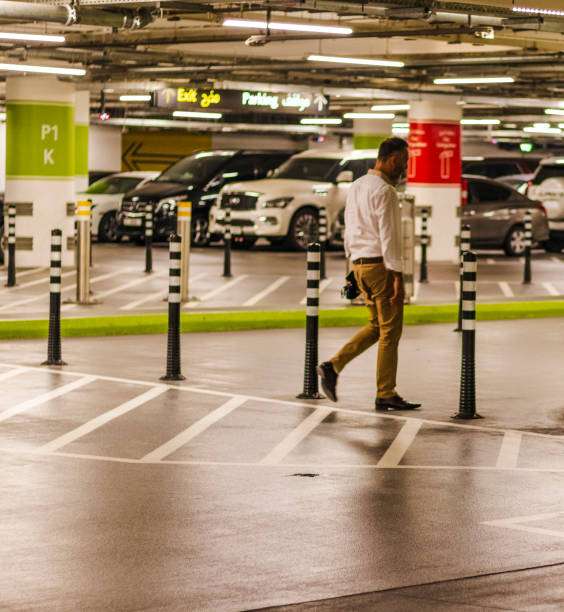
Automated Number Plate Recognition (ANPR) technology is transforming how shopping centres in Perth manage vehicle flow, improve security, and enhance customer convenience. Through the use of intelligent cameras and advanced data processing, ANPR systems automatically identify and record vehicle registration numbers, enabling seamless parking control, accurate time tracking, and improved incident management. This case study explores the implementation of ANPR camera systems Perth across several major shopping centres, detailing the challenges encountered during deployment, measurable outcomes in both crime prevention and operational efficiency, and feedback from customers and management teams.
Challenges Faced During Deployment
Implementing ANPR camera systems shopping centres Perth presented several operational, technical, and regulatory challenges.
1. Infrastructure & Placement Constraints
Shopping centres often have complex parking layouts with varying lighting, traffic volumes, and entry angles. Achieving accurate plate recognition required precise camera alignment, correct mounting heights, and reliable illumination. Reflections from vehicle headlights and metallic surfaces created calibration issues that demanded extensive on-site testing and fine-tuning.
2. Data Management & Privacy Compliance
Adhering to Australia’s Privacy Act and the Australian Privacy Principles (APPs) was essential. ANPR systems collect identifiable information, which meant centres had to implement encrypted data storage, controlled access protocols, and retention limits. Ensuring compliance across multiple tenants and service providers required close legal and IT collaboration.
3. Network Integration & Connectivity
Many existing parking systems were outdated or standalone, making network integration a significant hurdle. Centres had to upgrade their local infrastructure to accommodate real-time video streaming and cloud-based data analytics. Fibre or high-speed wireless links were installed to ensure minimal latency and continuous uptime, particularly for facilities operating 24/7.
4. Stakeholder Coordination
Installation required coordination between centre management, electrical contractors, parking system providers, and security consultants. Scheduling work without disrupting customer access or retail operations was a logistical challenge, especially in high-traffic shopping centres.
5. Environmental Durability
Perth’s weather conditions — particularly heat, glare, and occasional storms — tested the durability of camera housings and mounting fixtures. Systems required weatherproofing, surge protection, and regular maintenance to ensure consistent performance.

Tangible Results: Crime Reduction & Parking Efficiency
1. Enhanced Security Outcomes
Post-installation analysis revealed a substantial decline in vehicle-related incidents. Shopping centres recorded up to a 40% reduction in theft and vandalism, largely due to the deterrent effect of visible surveillance and the improved ability to identify suspicious vehicles. When linked with local law enforcement databases, the system enabled rapid response to stolen or wanted vehicles entering the premises.
2. Operational Efficiency in Parking
The automation of vehicle entry and exit eliminated bottlenecks associated with manual ticketing systems. Entry queues shortened significantly, and exit flow improved by an average of 25–30%. The technology also reduced disputes over parking durations, as time-stamped vehicle records offered indisputable evidence.
3. Data Analytics for Smarter Management
ANPR systems provided management with detailed insights into parking occupancy trends, dwell times, and visitor frequency. This data supported smarter resource allocation, allowing managers to schedule cleaning, security patrols, and maintenance based on real-time occupancy.
4. Improved Customer Experience
Customers benefited from a streamlined, ticketless parking experience. Payment automation and online integration enabled easy account management and contactless exits, which became particularly valuable during periods of heightened health awareness post-COVID.
Feedback from Customers & Centre Managers
1. Customer Feedback
Customer surveys conducted three months post-implementation reflected overwhelmingly positive feedback. Respondents highlighted convenience, reduced waiting times, and the perception of increased safety. Families and elderly visitors especially valued the reduced need to handle tickets or engage with machines.
However, a minority expressed initial privacy concerns, which were alleviated through clear public signage explaining data protection measures and compliance with national standards.
2. Centre Management Perspectives
Centre managers praised the ANPR technology for its reliability and its seamless integration with broader security systems. The ability to cross-reference vehicle data with CCTV footage strengthened investigative capabilities and improved response times. Additionally, the automation of parking enforcement reduced operational costs by minimising the need for manual monitoring and patrols.
Managers also noted that system data provided valuable commercial insights. By understanding peak parking periods and visitor return rates, they could adjust promotional events, staff rosters, and marketing campaigns more effectively.
3. Retail Tenant Observations
Retailers within these centres reported improved customer satisfaction and increased dwell time, directly linked to smoother parking experiences. Retail associations noted a measurable rise in repeat visits, attributing part of the improvement to the frictionless parking environment created by ANPR technology.
Long-Term Impacts & Future Expansion
The success of ANPR in Perth shopping centres has encouraged several operators to expand installations into multi-level car parks and adjacent retail precincts. Future integrations include linking systems with mobile applications for real-time parking availability and electric vehicle (EV) charging management. Additionally, ongoing developments in AI-driven analytics are enabling predictive maintenance and anomaly detection, ensuring sustained system reliability.
Sustainability also plays a role, with many centres utilising solar-powered ANPR units and LED lighting to reduce energy consumption. These initiatives support broader ESG goals while maintaining high operational standards.
Conclusion
The adoption of ANPR technology has redefined parking and security management in Perth’s shopping centres. Despite the challenges of deployment, the outcomes — including reduced crime, improved efficiency, and positive user feedback — demonstrate the long-term value of investment in intelligent camera systems. For centre managers, the technology offers both practical control and strategic insights, while customers benefit from faster, safer, and more convenient access.
ANPR implementation in Perth serves as a benchmark example of how data-driven innovation can enhance everyday infrastructure while supporting security and sustainability objectives in modern urban retail environments.