
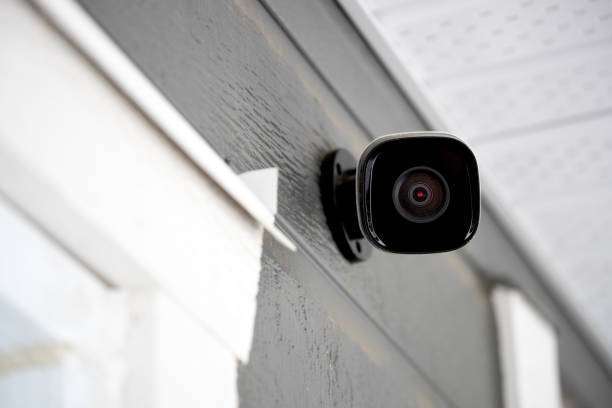
Climate presents unique challenges for security cameras in Perth. These environmental factors can reduce the performance and lifespan of cameras if they are not adequately prepared to handle such conditions. In this article, we will explore the specific impacts of Perth’s climate on security cameras and propose suitable solutions to address each issue.
1. Heat and Security Cameras
Perth’s extreme summer heat, often exceeding 40°C, can cause significant issues for outdoor security cameras.
a. Problem: Overheating Components
The high temperatures can cause internal electronic components like image sensors, processors, and storage devices to overheat, leading to malfunction or failure. Additionally, overheating may degrade image quality, resulting in blurry or distorted footage, especially during the peak heat of the day.
Solution:
- Choose heat-resistant cameras: Opt for cameras that are rated for operation in temperatures up to 50°C or higher. These models are designed to withstand prolonged exposure to extreme heat without suffering from overheating or image degradation.
- Install shading: Position cameras under eaves, awnings, or purpose-built shades to reduce direct exposure to sunlight. This simple method can help to regulate the temperature of the camera and prevent overheating.
b. Problem: Expansion of Housing and Lens Issues
Fluctuations in temperature can cause the camera housing to expand and contract, which may misalign lenses or create gaps for moisture ingress, leading to condensation inside the camera.
Solution:
- Opt for thermal-resistant materials: Security cameras made from materials designed to handle temperature variations will reduce the risk of expansion and contraction.
- Install cameras with sealed housing: Cameras with high IP (Ingress Protection) ratings, such as IP66 or IP67, provide better protection against environmental factors, keeping internal components secure from temperature-related damage.
2. Coastal Humidity and Salt Exposure
Perth’s coastal areas are particularly affected by high humidity levels and salty air, which can degrade cameras over time.
a. Problem: Corrosion and Rust
Salt in the air accelerates the corrosion of metal components like mounts, screws, and connectors. This not only weakens the structural integrity of the camera but also shortens its lifespan.
Solution:
- Use corrosion-resistant materials: Invest in cameras made from materials such as stainless steel or treated plastic housings. Anti-corrosion coatings on metallic parts can also prevent rusting.
- Perform regular maintenance: For properties near the coast, it’s essential to schedule routine checks and cleaning of the cameras to remove salt deposits and prevent corrosion.
b. Problem: Moisture Penetration
High humidity increases the risk of moisture seeping into cameras, especially if the housing is not adequately sealed. Moisture inside the camera can cause electrical shorts, fogging of the lens, and eventual failure of internal components.
Solution:
- Select cameras with high IP ratings: Cameras with an IP66 or IP67 rating are designed to be waterproof and dust-tight, preventing moisture from entering the housing and damaging internal components.
- Use desiccant packs: For added moisture control, some security cameras allow the installation of desiccant packs inside the housing to absorb excess humidity and prevent condensation.

3. Dust and Debris from Summer Winds
Perth experiences strong winds during the summer, which often carry dust and debris. This can negatively impact security cameras, especially those in exposed areas.
a. Problem: Reduced Visibility Due to Dust Accumulation
Dust particles can settle on camera lenses, reducing visibility and making it harder for the camera to capture clear footage. Regular exposure to dust without proper protection can also cause long-term wear on the lens.
Solution:
- Install dust-resistant cameras: Cameras with dust-resistant lenses and housings (those with a minimum IP66 rating) help prevent dust from penetrating the camera. Regular cleaning of lenses can also ensure clear, high-quality footage.
- Use protective covers: Installing dome or shielded cameras can reduce the amount of dust and debris reaching the lens, while still allowing the camera to capture footage.
b. Problem: Damage to Housing and Lenses from Debris
Wind-driven debris can cause scratches on the camera lenses or damage to the housing, reducing the overall durability and functionality of the camera.
Solution:
- Use vandal-resistant housings: Opt for security cameras that feature durable, vandal-resistant housings made from materials like polycarbonate, which is more resistant to scratches and impacts.
- Strategic placement: Positioning cameras in less-exposed areas can reduce their vulnerability to wind and debris. Placing them under overhangs or in protected corners helps minimise direct exposure to the elements.
4. Technologies Suited for Perth’s Climate
With the challenges posed by Perth’s climate in mind, the following technologies and features are essential for ensuring that your security cameras remain effective and durable.
a. High IP Ratings for Weather Resistance
Security cameras with IP66 or IP67 ratings are well-equipped to handle extreme weather conditions, including rain, dust, and moisture. These ratings ensure that cameras are water- and dust-proof, which is crucial for Perth’s coastal and windy environments.
b. Heat-Resistant Models
For outdoor use, selecting cameras rated to function at high temperatures (up to 50°C or higher) ensures reliable performance even during Perth’s hottest days.
c. Anti-Corrosion Materials
For properties located near the coast, it’s important to use cameras made from corrosion-resistant materials such as stainless steel or treated plastic. This ensures the cameras are protected from the salty air and have a longer operational lifespan.
d. Infrared and Thermal Imaging
For areas where dust or low light affects visibility, infrared or thermal imaging cameras provide a solution. These technologies allow cameras to capture clear footage even in challenging environmental conditions such as dust storms or at night.
Conclusion
Perth’s climate, characterised by intense heat, coastal humidity, and summer winds, presents challenges for the performance and longevity of security cameras. However, by choosing the right cameras—those that are heat-resistant, dust-proof, and made from corrosion-resistant materials—property owners can ensure that their surveillance systems continue to perform effectively. Regular maintenance, proper installation, and selecting weatherproof technologies are crucial steps to safeguarding your investment in security cameras in Perth.